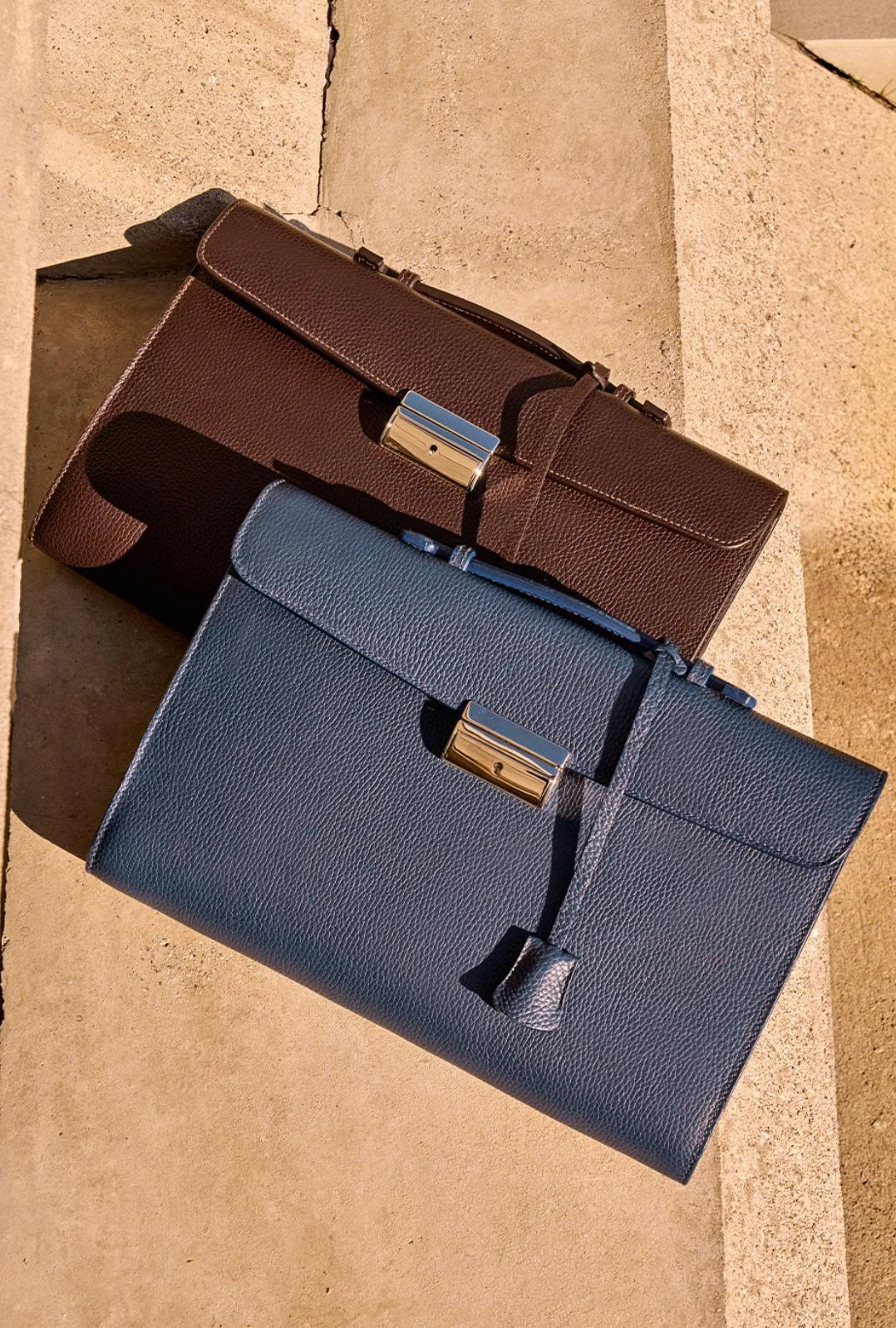
LEATHER GOODS / HARDWAREIMAGE

Footwear and accessories are developed as distinct technical systems governed through geometry, materials, components, specialist process, quality and manufacturing route.
OBJECT · MATERIAL · INDUSTRIALISATIONFootwear and accessories are developed as distinct technical systems governed through geometry, materials, components, specialist process, quality and manufacturing route.
Read each product family through its own technical chain: geometry, material, components, specialist process, quality and manufacturing route.
Product architecture separates typology, geometry, construction, component system and manufacturing route. Footwear is organised around foot, last, pattern, upper and bottom; leather goods, eyewear and soft accessories follow different specialist chains.
Typology · geometry · construction · components · process · route
Variable natural materials must be developed through a material brief and tested on the actual product. Surface, structure, reinforcement, joining, edge treatment, finish and repeatability are validated before approval.
Material brief · structure · reinforcement · joining · edge · finish
Fit begins with the relationship between foot and last; the last then governs toe shape, volume, heel seat and stance. Pattern, upper, lasting and bottom construction must reconstruct that geometry as one system.
Foot · last · pattern · upper · lasting · bottom · fit
Leather-goods precision is built before final stitching: nesting, cutting, splitting or skiving, reinforcement, edge preparation, bonding/stitching, hardware setting, shaping and edge finishing must respond to leather variability and geometry.
Nesting · skiving · reinforcement · edge · assembly · hardware · inspection
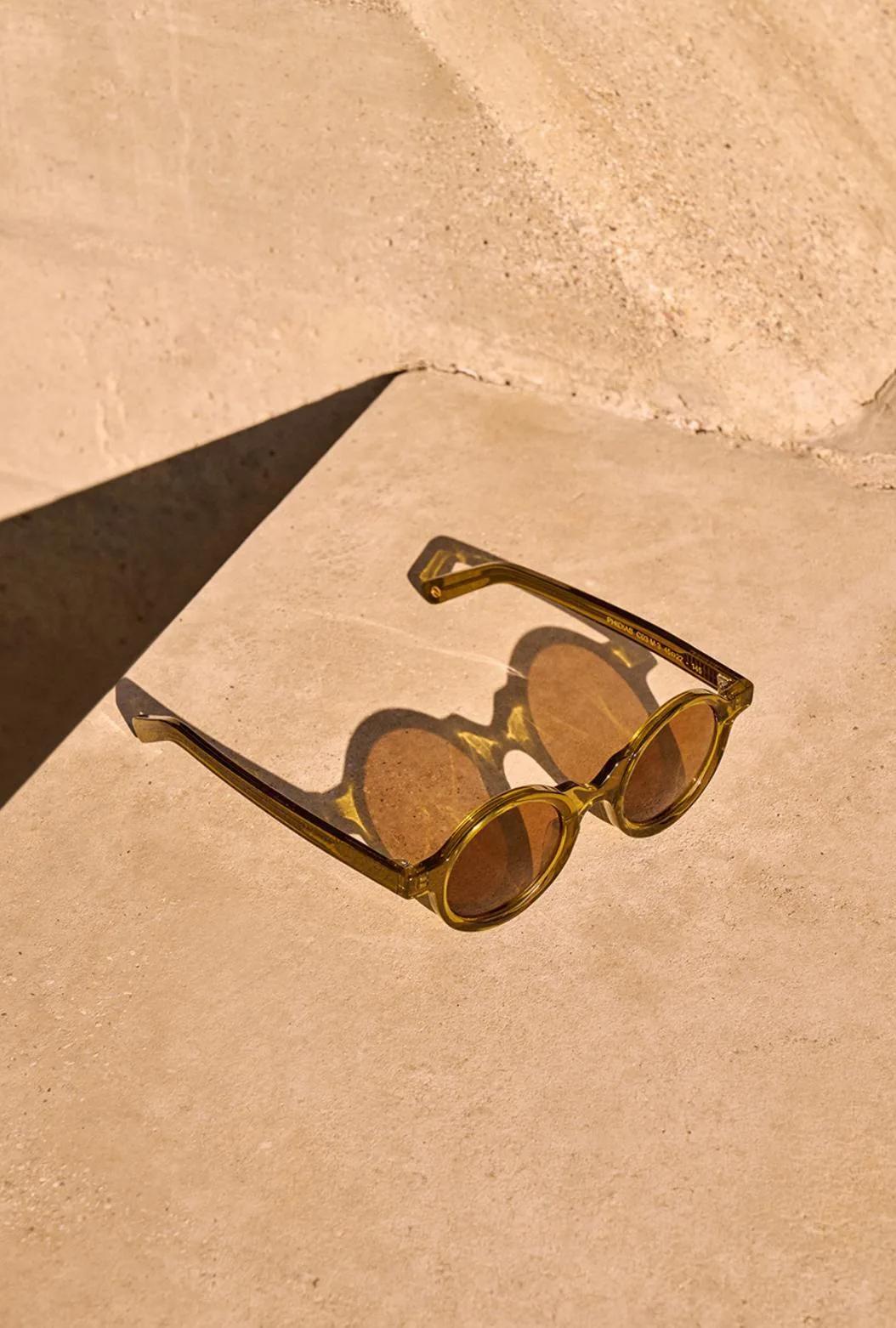
Eyewear is a specialist industrial system spanning frames, small components, lenses, machinery and surface treatments. Capability must be read across dimensional control, component integration and finishing, not through material name alone.
Frame · components · lenses · treatments · assembly · finishing
For silk-based accessories, surface is a production chain: weaving, dyeing, printing, steaming, washing and finishing. Print, colour and hand must be governed as repeatable material-process specifications from sample to bulk.
Silk · weave · dye · print · steam · wash · finish
A supplier name or district is not proof of capability. Qualification separates process capability, capacity, minimums, tooling, quality system and external specialist nodes; the manufacturing route depends on product, construction, quantity, lead time and scale path.
Capability · capacity · MOQ · tooling · quality · route · network
In footwear, Product Identity can be embedded in last, toe, vamp or apron, sole edge, heel, tread, hardware and finishing. Across accessories, recurring materials, edges, components, colours and specialist processes become codes only when they are distinctive, transferable and governable.
Footwear, leather goods, eyewear and silk accessories cannot be collapsed into one manufacturing logic. Lasting and bottoming, skiving and edge finishing, optical components and surface treatments, or printing and finishing each require different specialist capability.
Qualification must show what can actually be executed, at what scale, with which tooling, tolerances, quality controls and specialist nodes. The route is chosen from the product and its construction — not from the reputation of a factory or district.