CAPRIMenswear · travel spirit

Travel and nature shape our aesthetic.Made for the contemporary gentleman traveler.
noMade is a contemporary Italian brand structured as a system of relationships between territories, knowledge and production. Each product emerges from a controlled process that connects local craftsmanship with rigorous construction standards, ensuring structural, aesthetic and cultural integrity.
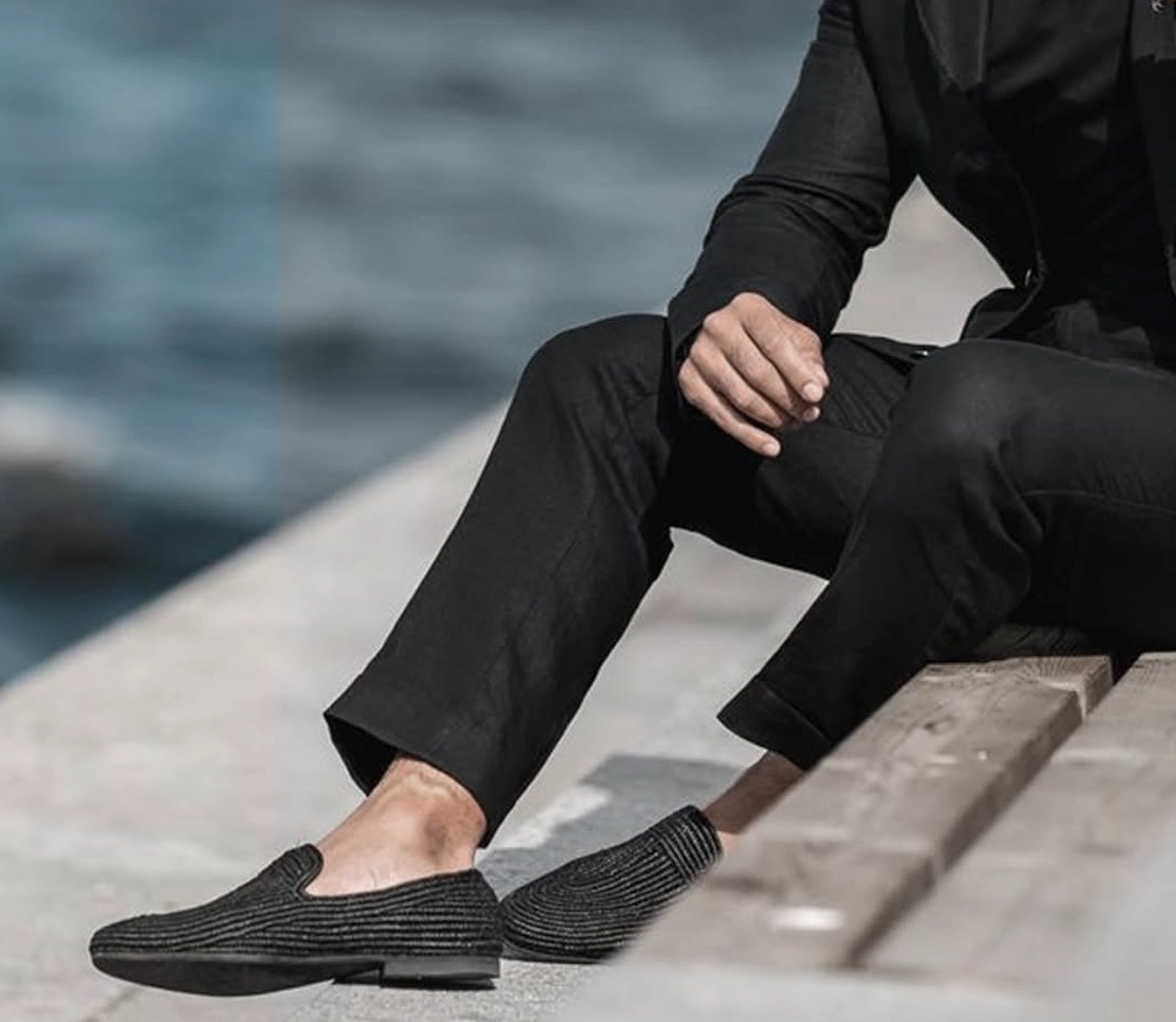
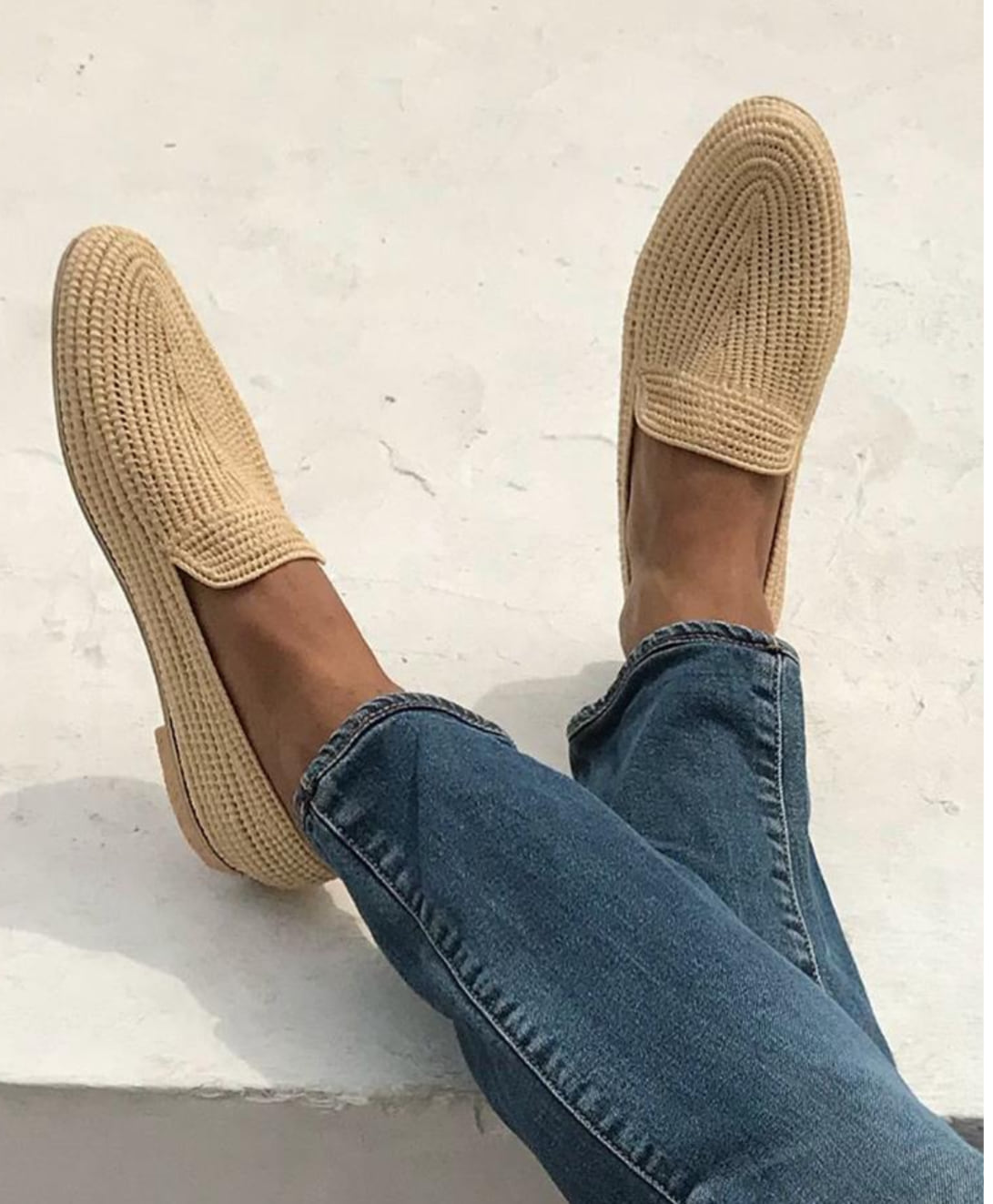
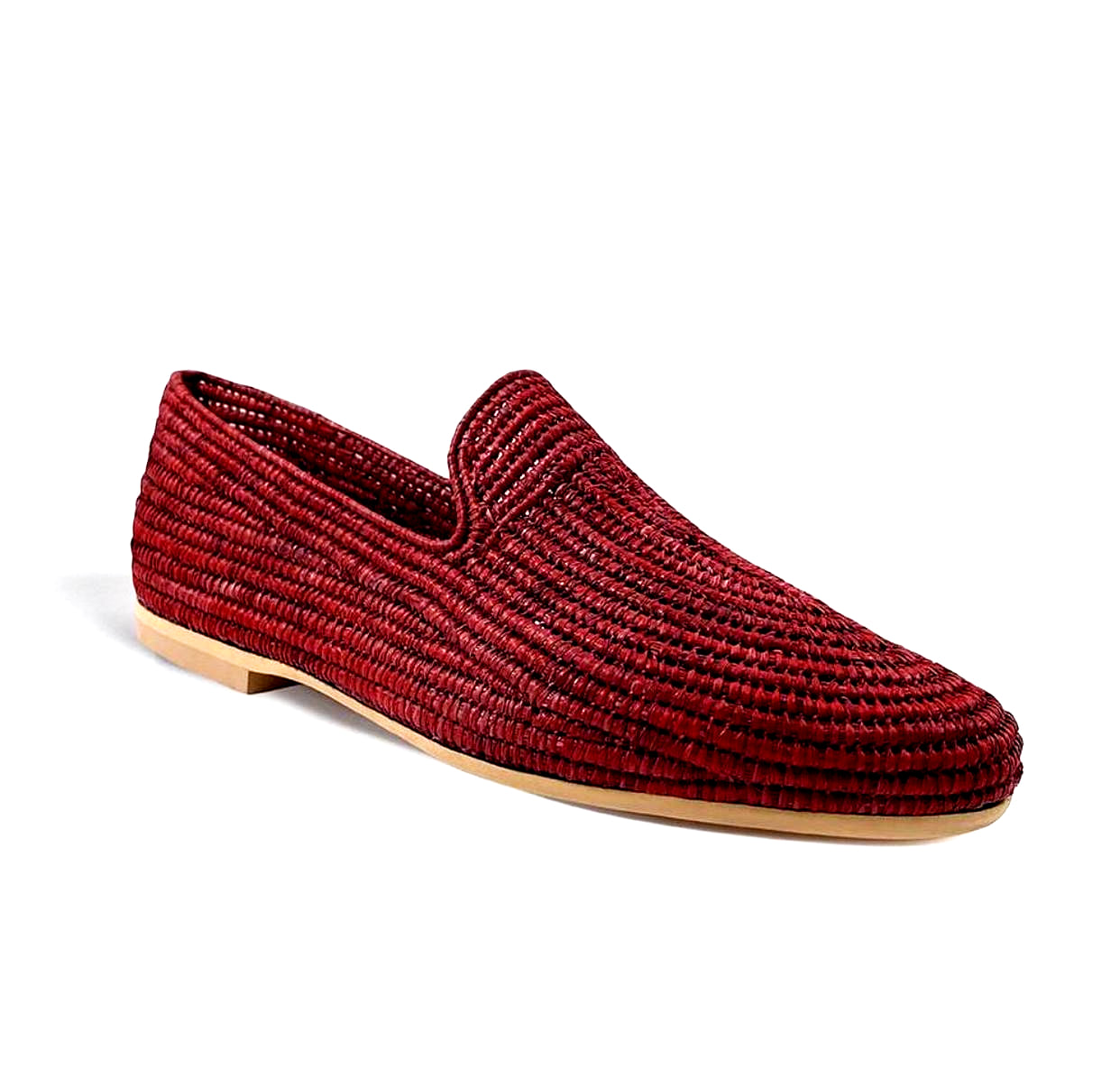
Handwoven in raffia, the Portofino loafer combines artisanal precision, lightness and effortless wearability.
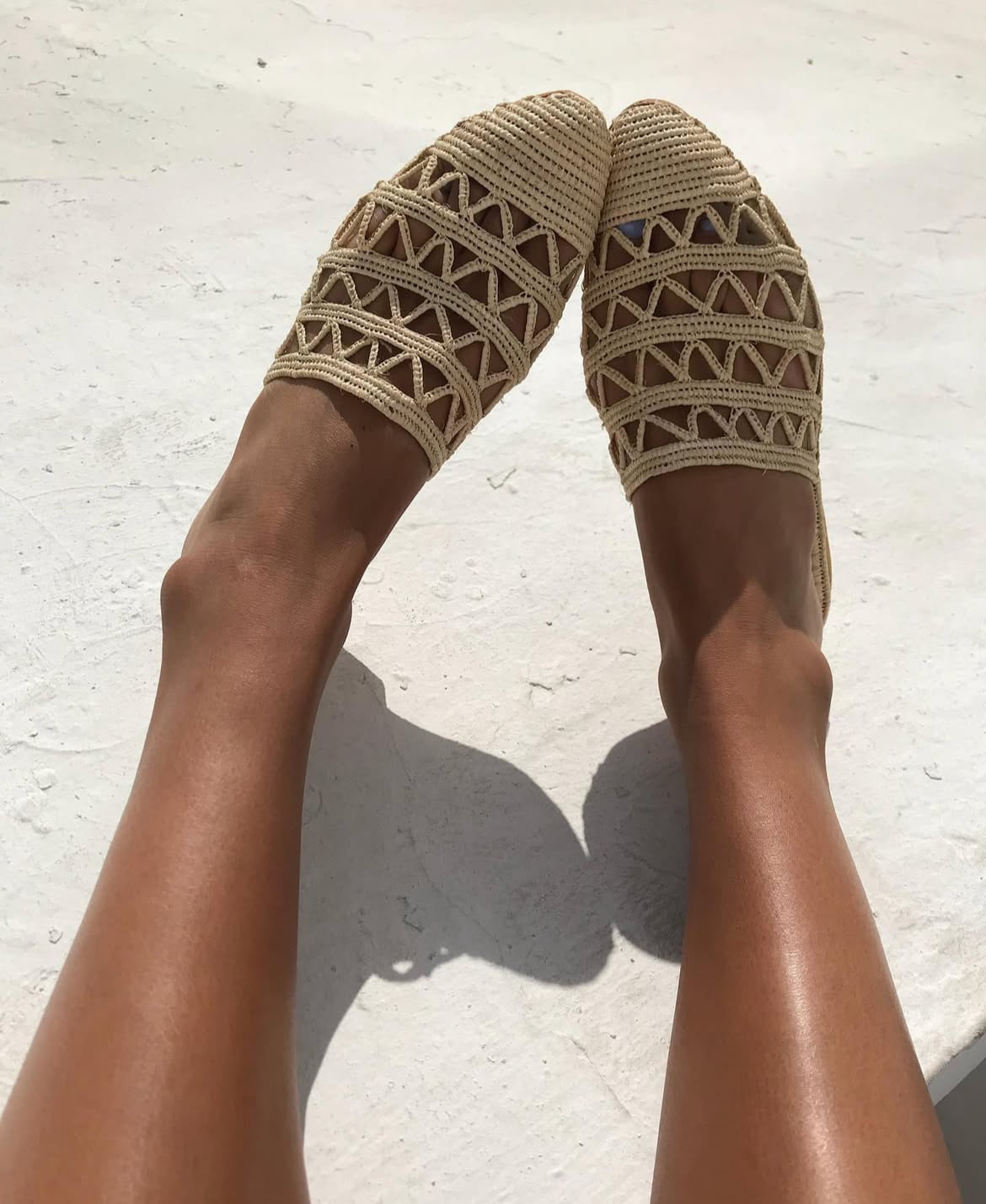
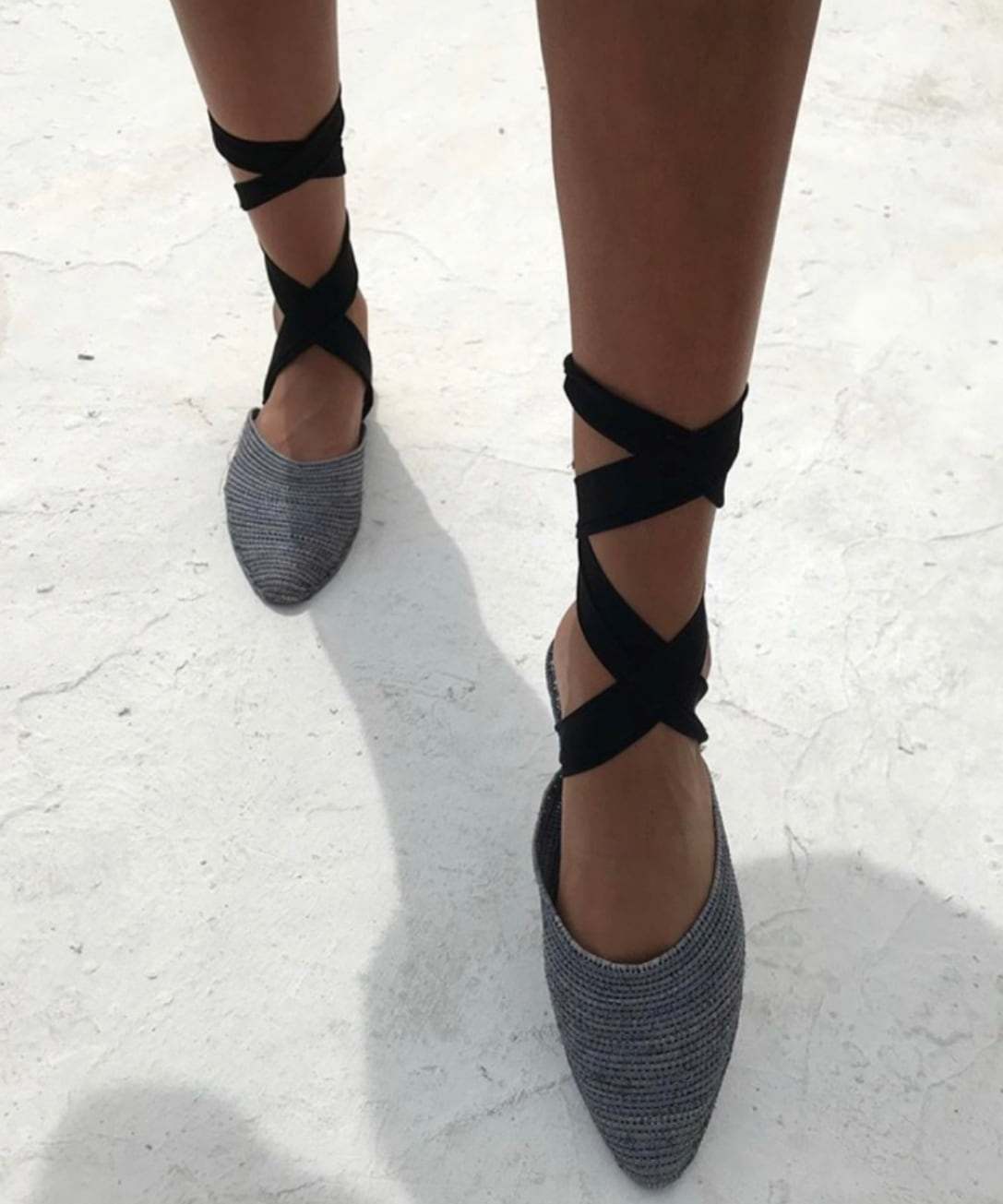
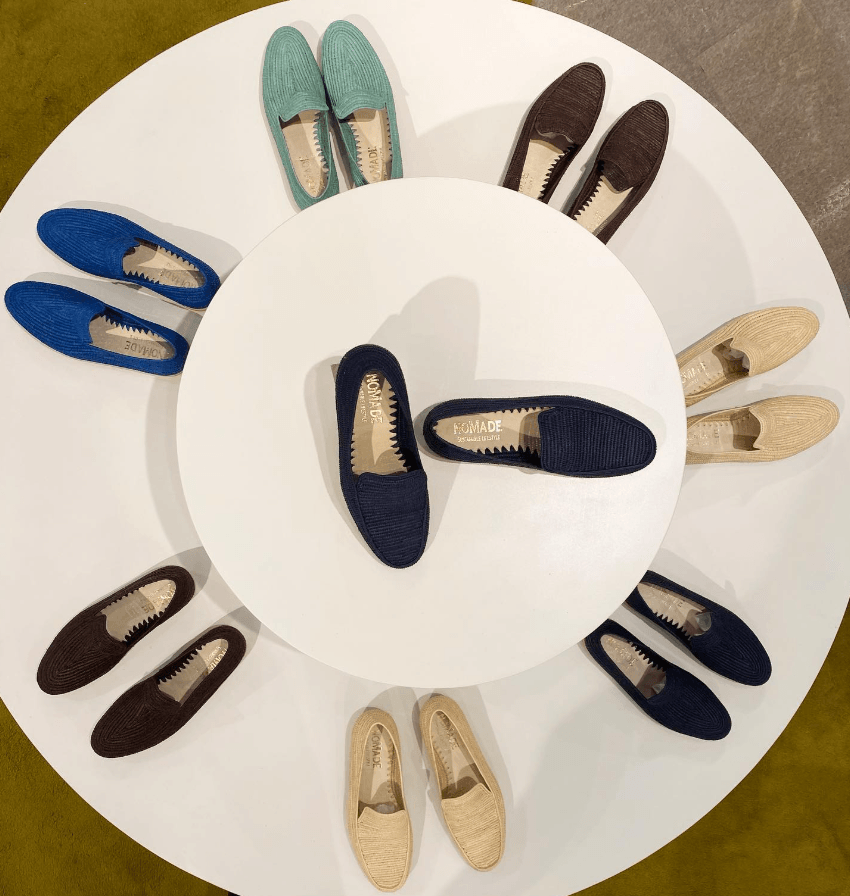
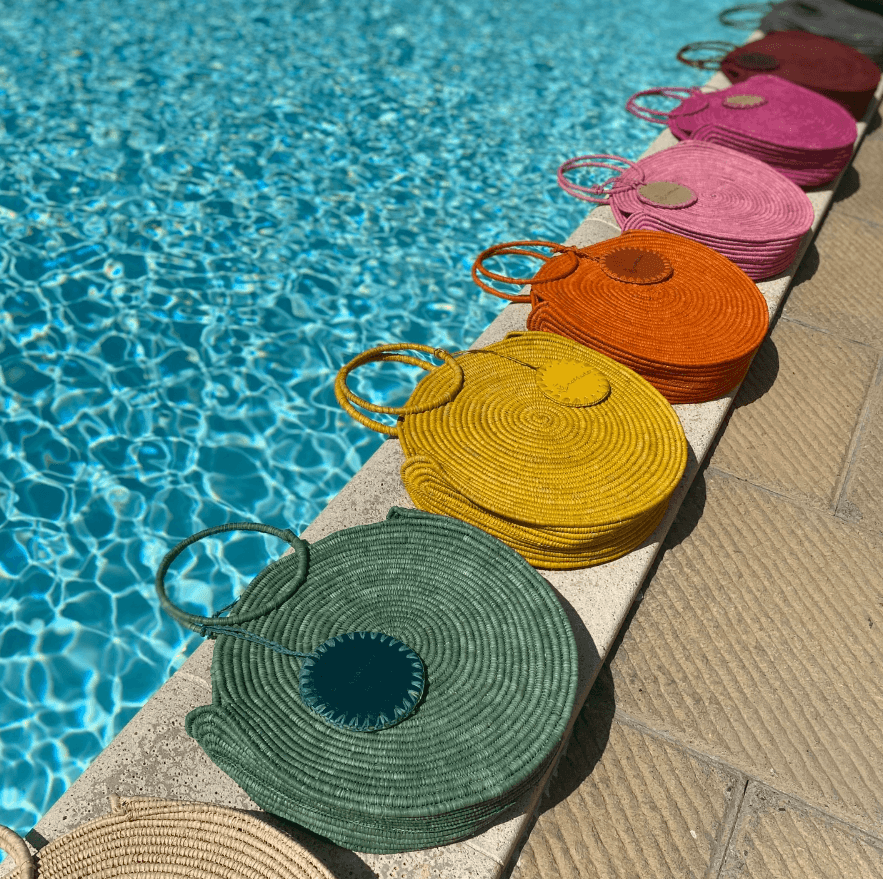
Loafers, ballerinas and resort attitudes — product seen in movement, context and use.
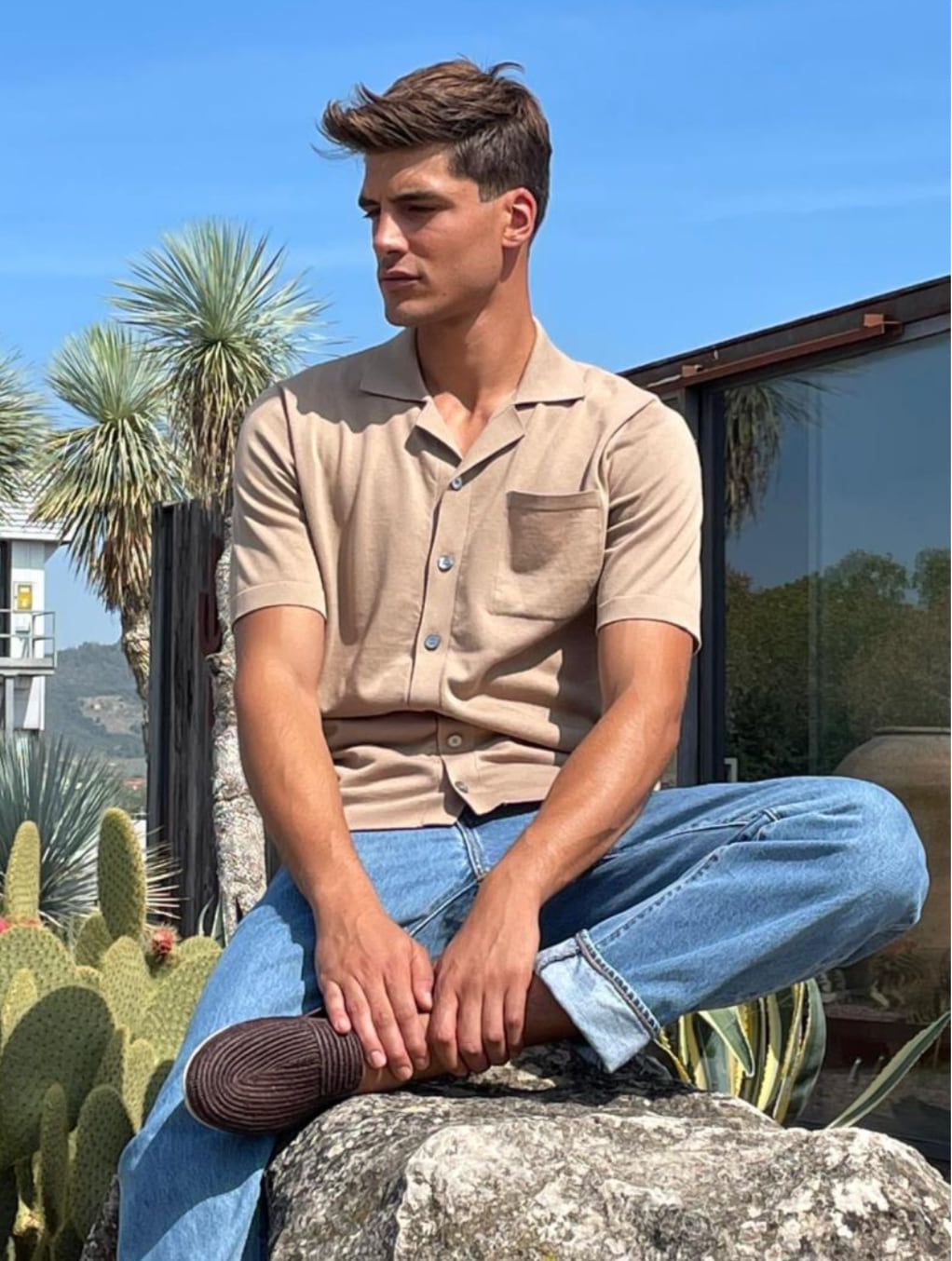
noMade operates through recognition. It identifies artisanal systems across territories and transforms them into coherent, living structures. Tradition is not preserved as memory; it is activated as a system. Made in Italy defines the method: precision, control and integrity. Excellence is not local. It is structured.
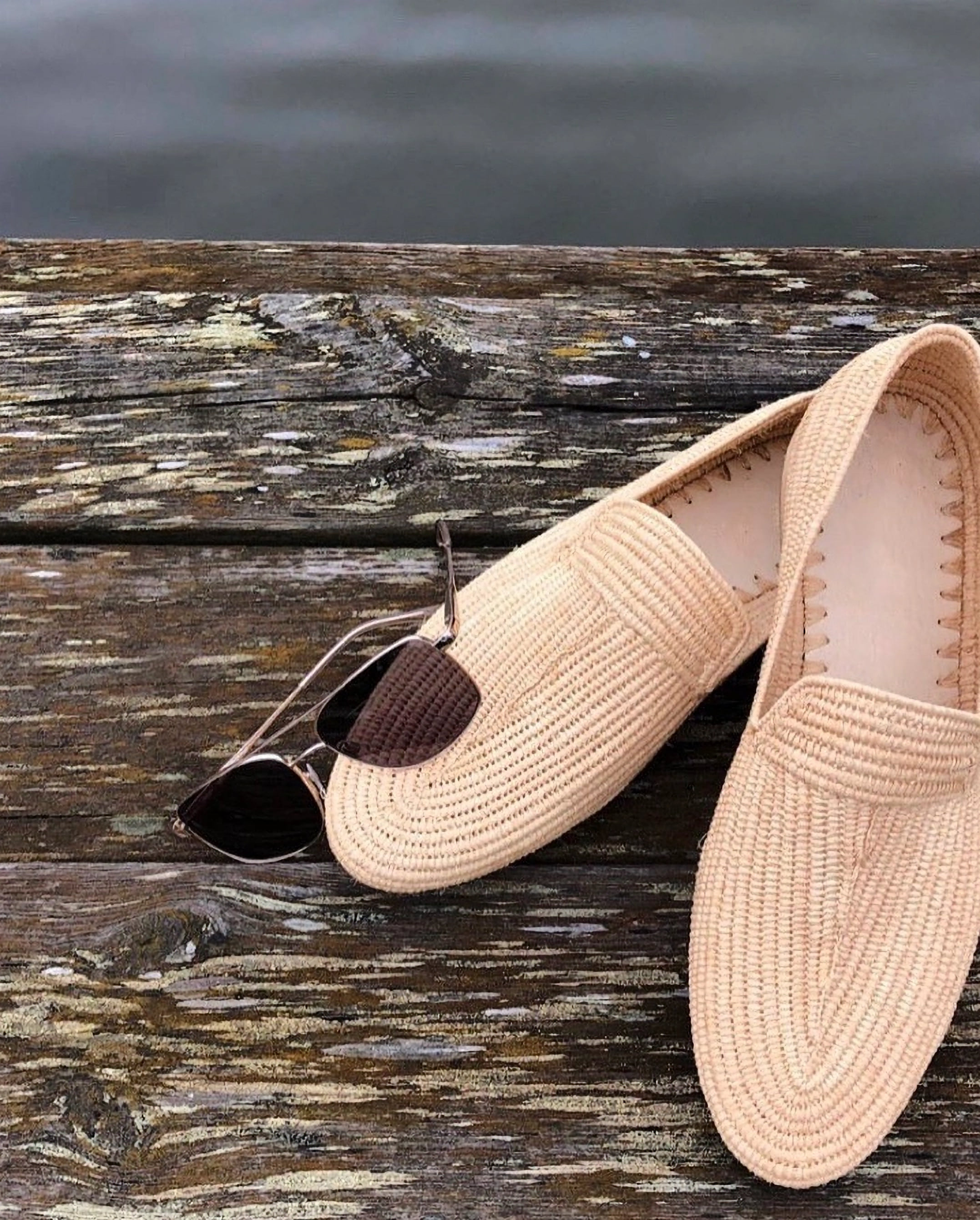
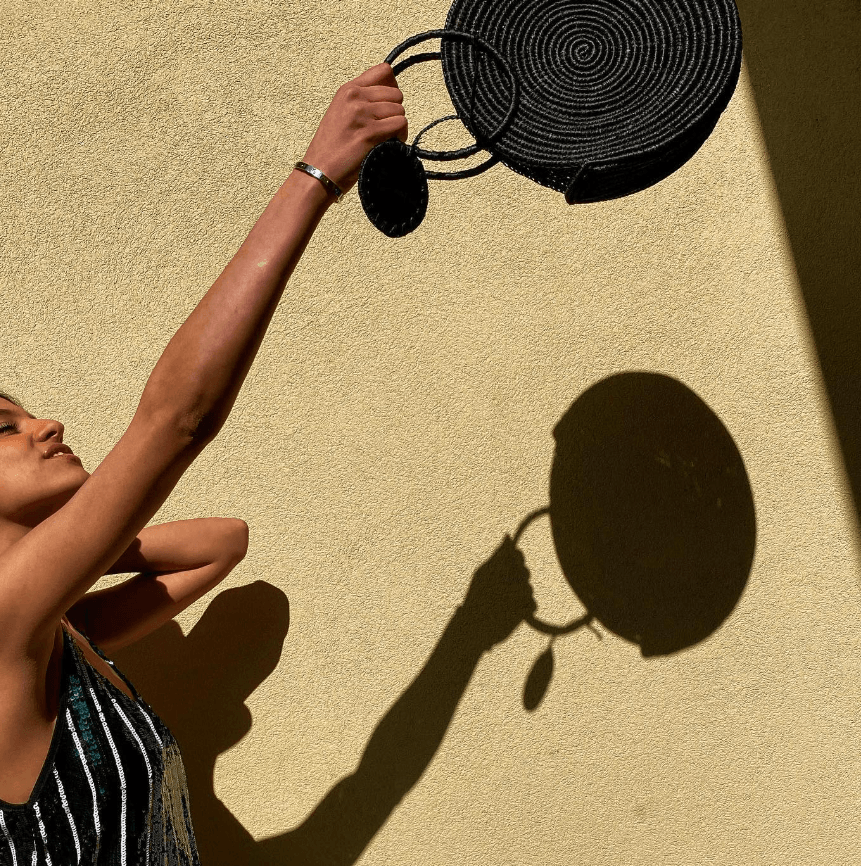
Shoes and accessories are developed through the same hand, construction discipline and resort-oriented product system.
Identify artisanal systems and recognise the excellence already present within them.
→Translate knowledge into footwear and accessories without erasing the hand that makes them distinct.
→Align training, quality control and bilateral production into a coherent operating structure between Morocco and Italy.
→Operate through selected distribution, retail partnerships and aligned collaborations designed to sustain long-term value.
→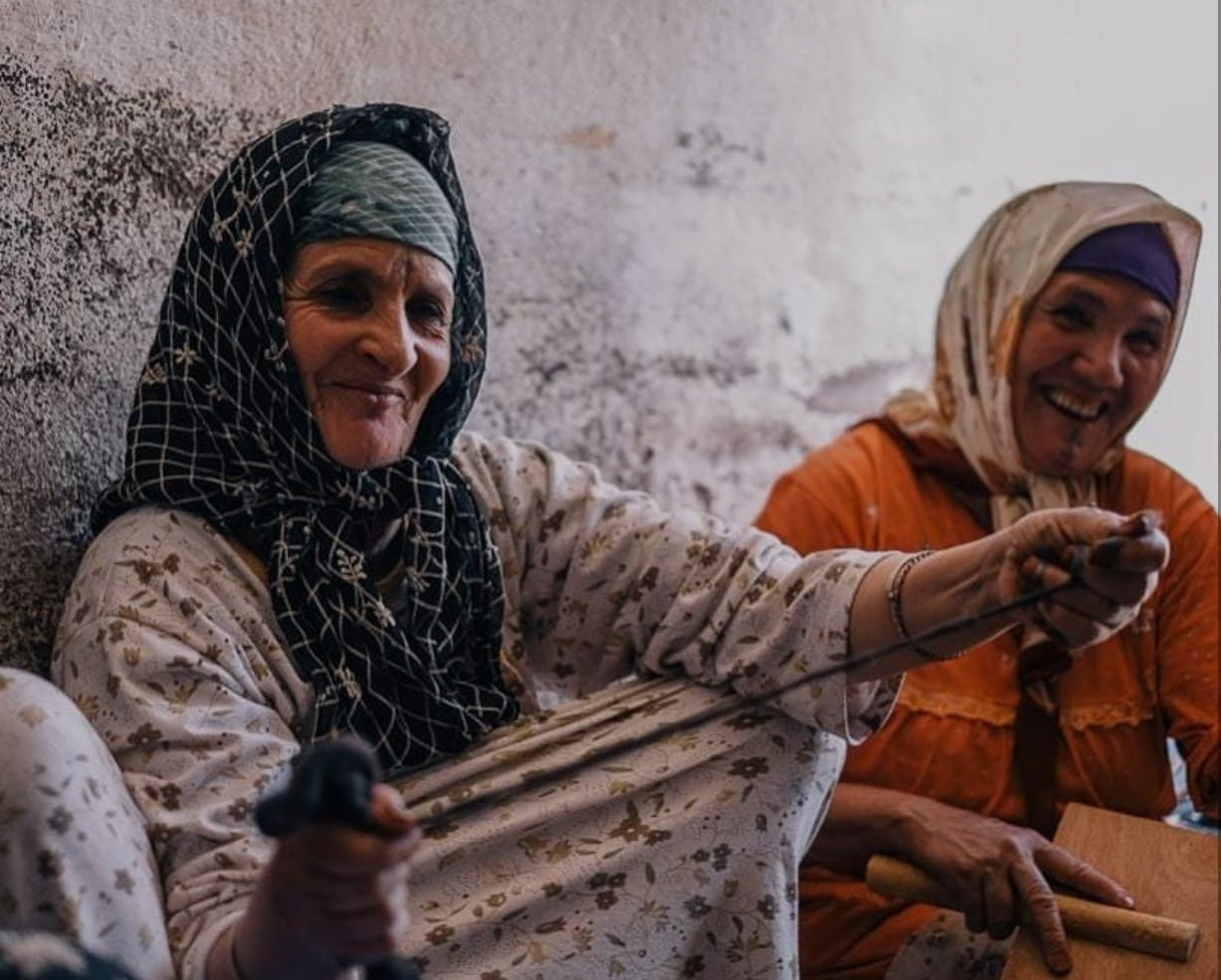
noMade integrates 60 artisans from rural areas in southern Morocco into a continuous production system. This is not a social initiative. It is an economic structure in which skills become autonomy, work becomes stability and knowledge becomes viable over time.
Each raffia upper is made by hand in southern Morocco through a knotting process that requires approximately one full day of work. Different hands, tensions and rhythms are aligned through continuous training, construction standards and quality control.
Approximately one working day is dedicated to knotting each raffia upper by hand.
A continuous relationship with the same network of women artisans sustains knowledge and production over time.
Artisanal production and Italian construction standards operate as one bilateral system.
Natural materials, plant-based dyes and manual techniques are treated as production decisions, not communication claims.